New Forest wildfires highlight why animals must be included in emergency planning
BARTA are concerned that prolonged high temperatures create conditions which place animals at extreme risk.
Domestic, agricultural, equestrian and wildlife environments are more vulnerable because forests, heathland, fields, hedges and verges are tinder dry. This means that a fire approaching a property is hotter, faster and not slowed by traditionally green vegetation protecting its boundary.
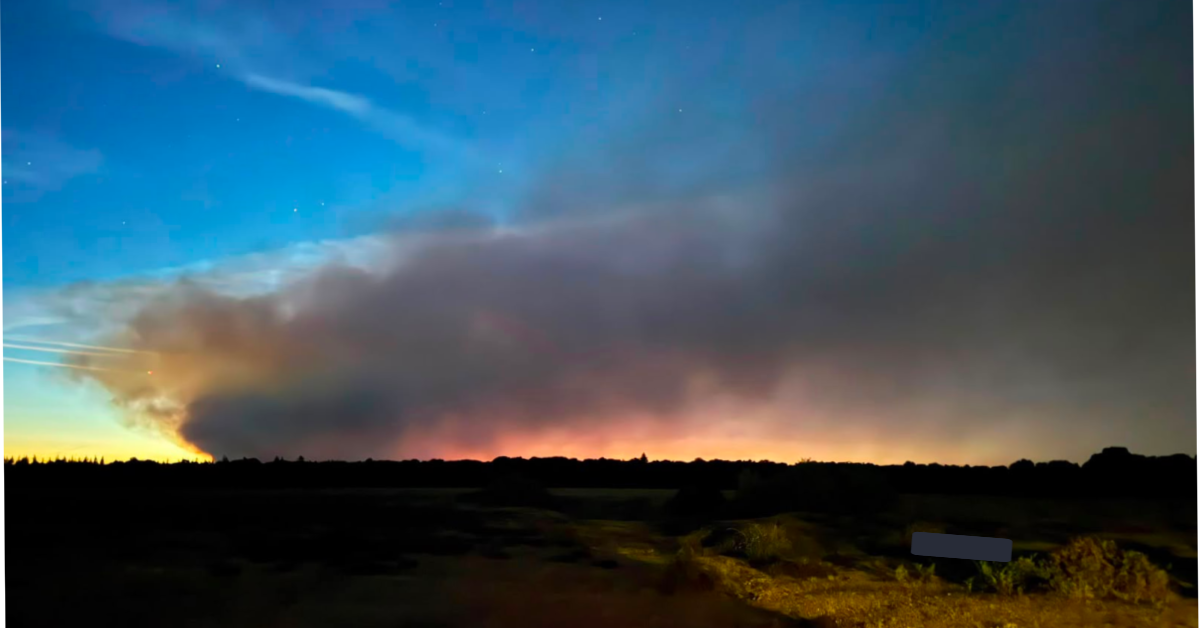
BARTA Director Jim Green said “Our thoughts are with emergency responders currently working in exceptionally difficult heat and terrain, as well as commoners, land managers and local communities affected by an incident started by a van fire on the A31 in the New Forest.
We encourage emergency planners, landowners, veterinary providers, rural businesses, government and animal keepers to use this high profile incident as an opportunity to review their own emergency and evacuation arrangements.
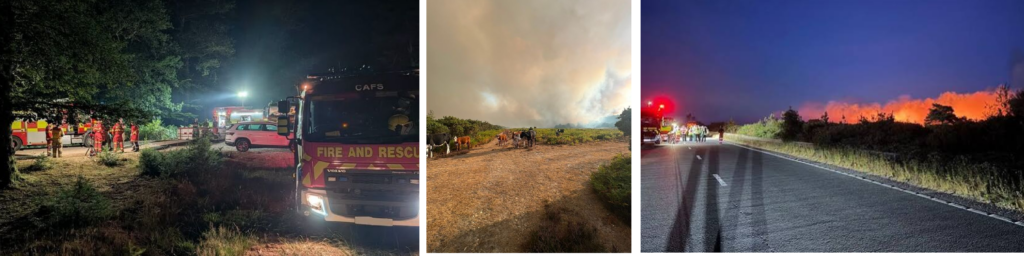
BARTA’s mission is to ensure animals are safeguarded along with people during emergencies. Effective plans should address animal handling, safe evacuation, transport, temporary containment, veterinary triage, welfare assessment and longer-term recovery.
BARTA are actively working with stakeholders such as the National Fire Chiefs Council, Royal College of Veterinary Surgeons and the Institute of Civil Protection and Emergency Management to raise awareness of the vulnerability of animals in emergencies and the importance of including them in community crisis plans.
Pet owners should ensure their family emergency plan includes provision for taking their animals if they are required to evacuate. In the case of horses and livestock, the plan must be more comprehensive and if evacuation or movement of animals is required, a system of obtaining the help required to achieve this should be activated whilst the risk is still low.
Emergency services must be prepared to deploy resources to protect structures housing animals as part of their tactical plan. Local authorities should consider the needs of displaced people and their animals within their humanitarian assistance function. This summer is an example of what is to come and it requires a Whole of Society approach to adapt to these developing challenges”
Animal establishments can find resources to help develop their fire plan on the BARTA website: From Paper to Practice – A Working Fire Plan
For more information on BARTA go to: bartacic.org
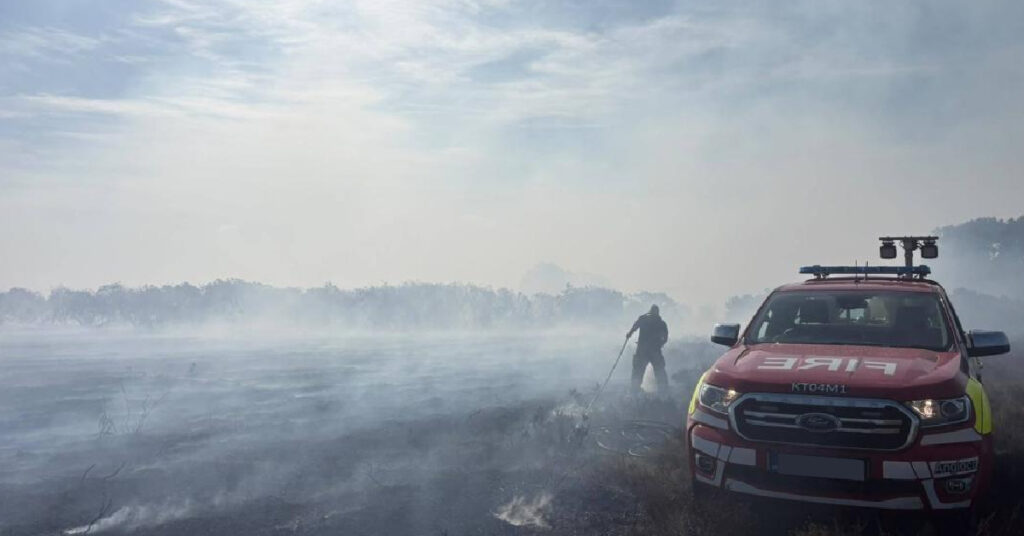
Images: Bournemouth Evening Echo, Sky News, Hampshire Fire and Rescue Service